
 GOOPV Architectural Glass

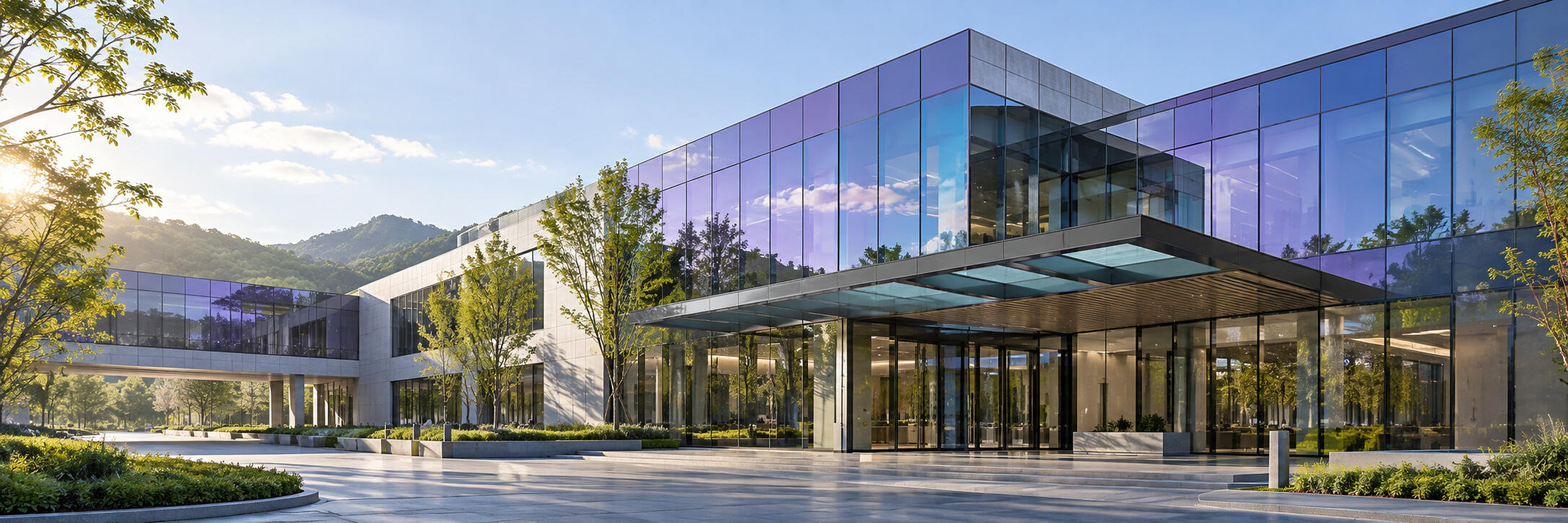
GOOPV / BUILDING GLASS
Daylight and heat control come first.
Power generation is the surprise.
Glass already has an important job in a building: admit useful daylight and manage heat. GOOPV adds one more function—the same surface can also turn light into electricity.
DAYLIGHT / HEAT / ENERGY
Start with light and heat, then plan for energy
GOOPV integrates light-effect materials into building glass. Daylight, glare and thermal load are considered first; generation is then configured for façade orientation, glazing build-up, solar exposure and project demand. Energy becomes part of the building skin, not an extra device attached to it.
Reference visible-light transmittance
Reference shading coefficient
Source: TDS-GOOPV-2026-V2.3. Final specifications and performance depend on glazing build-up, dimensions, angle, solar exposure and project conditions.
PROJECT APPLICATIONS
Planned for its place in the building
Building façades
Configured for orientation, appearance and envelope performance so the glazing remains architectural while contributing to energy production.
Canopies and skylights
Brings heat control, useful daylight and energy generation together where shade and overhead glazing are needed.
Roadside noise barriers
Evaluated for road conditions, structure and maintenance so an existing boundary can gain an energy role.
REAL-WORLD PROJECT
In use at Shalun, Tainan
GOOPV has moved from material development into a real building project. Glass location, module layout and electrical integration are reviewed against actual site conditions, with material, glazing and system decisions coordinated with the design and engineering teams.
PLAN YOUR PROJECT
Begin with the glazing requirements
Share the building location, glass dimensions, orientation and intended use. We will clarify daylight and heat-control needs first, then discuss an appropriate energy configuration.
