
 GOOPV Architectural Glass

ESG Insights
SUSTAINABILITY / ESG · SHAN-CING ACTIONS
ESG Insights
SHAN-CING explores how buildings can reduce energy demand while continuing its work in community engagement and environmental education. This page records completed initiatives, perspectives on building energy efficiency and historical information.
ENVIRONMENT × SOCIAL × GOVERNANCE
Building Energy Efficiency
Community Education
Responsible Governance
01
ACTIONS / SHAN-CING IN PRACTICE
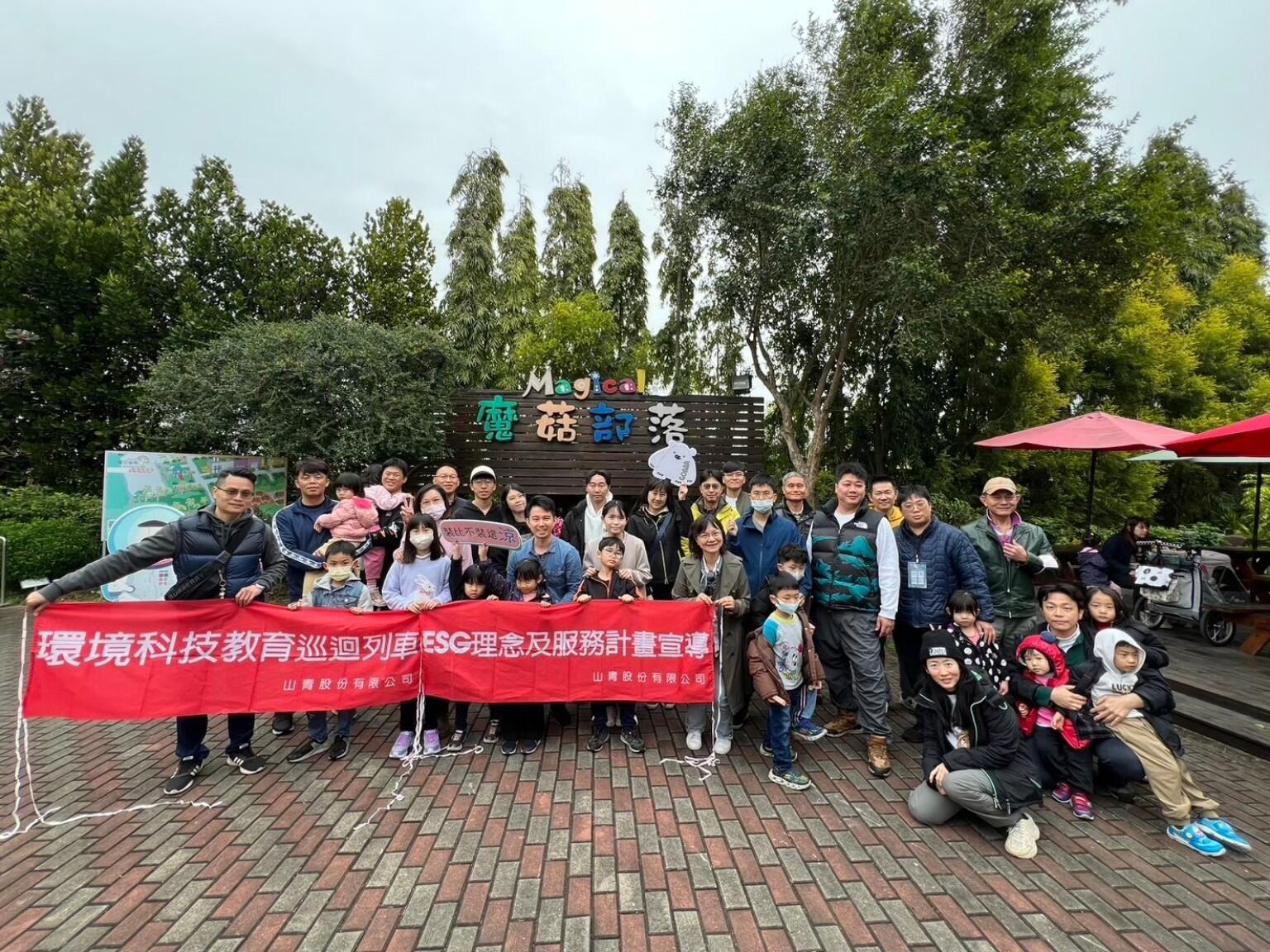
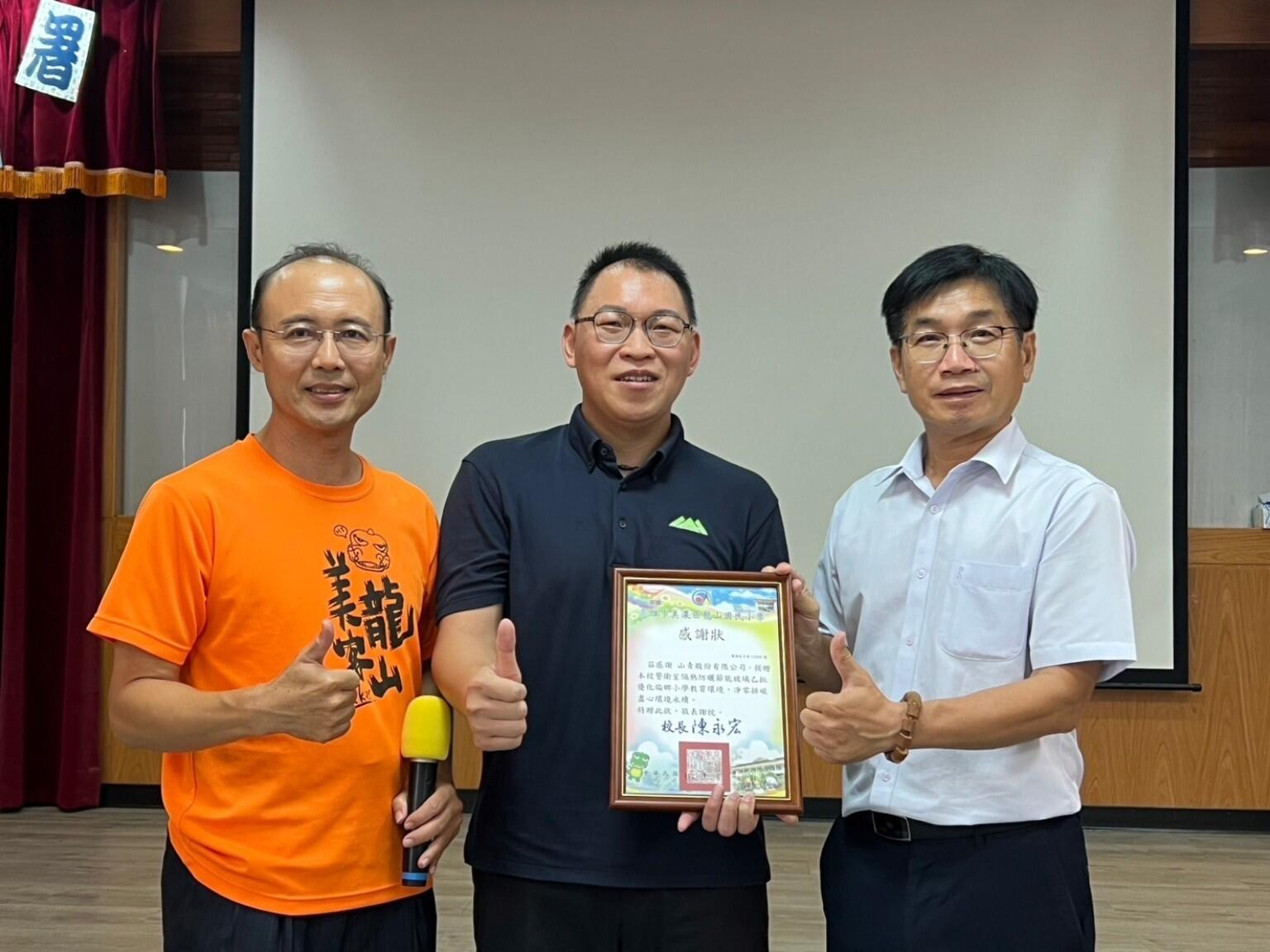
Community & Education Initiatives
Explore field activities and exchange records to see the initiatives SHAN-CING has joined.
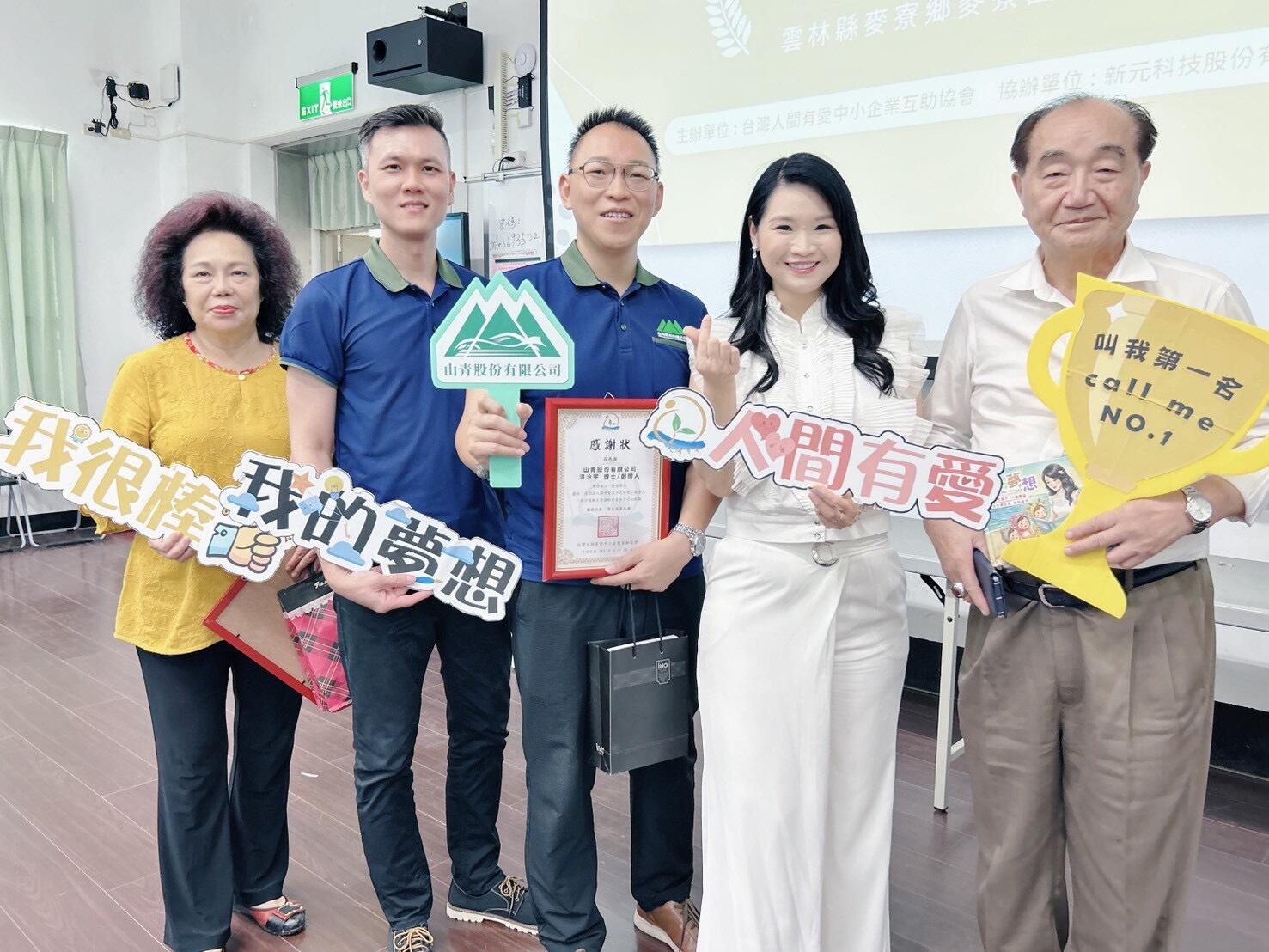
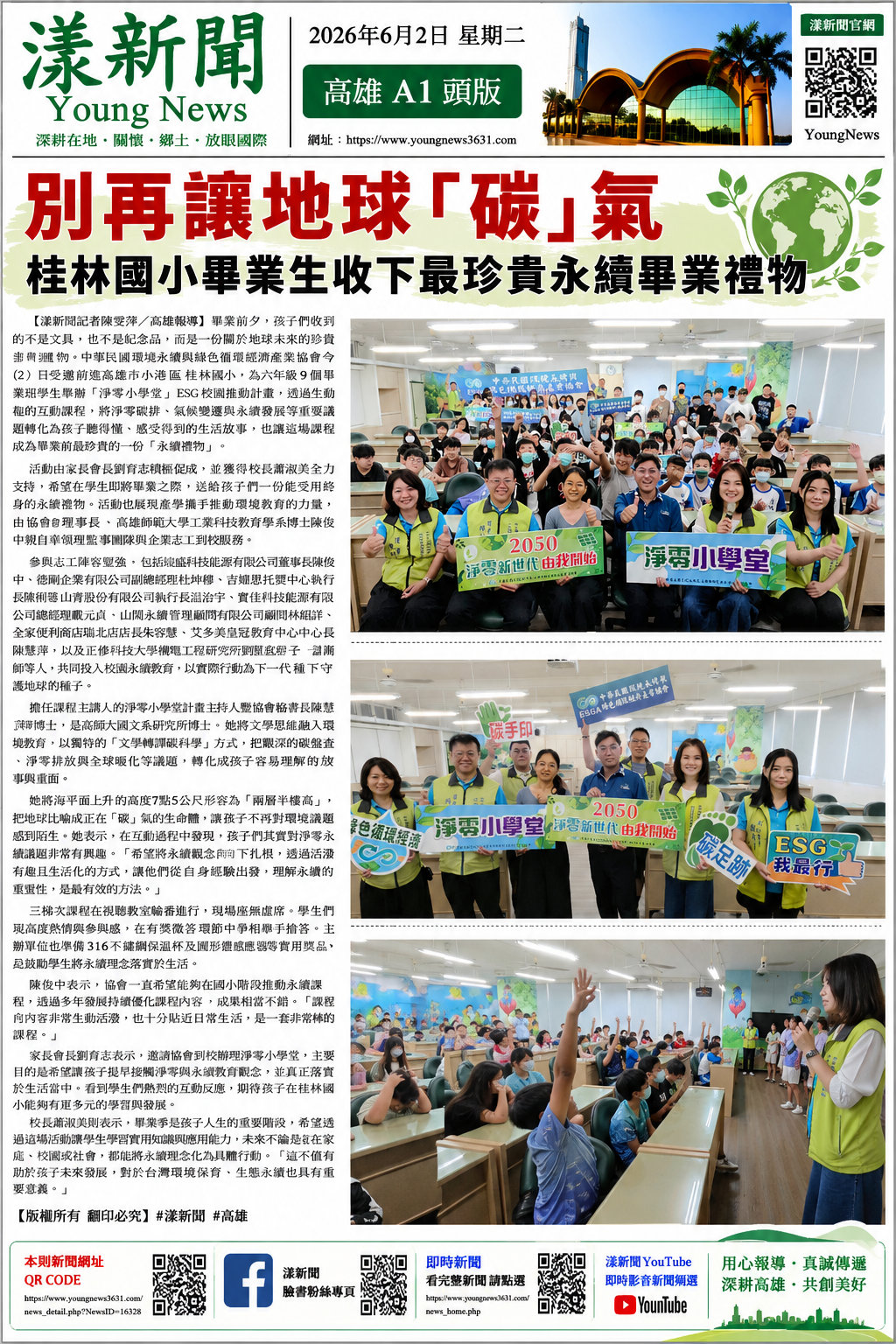
SHAN-CING Supports the 29th Children and Youth Literature Awards
Read Story ↗
SHAN-CING Supports the May 27 Blood Drive
Read Story ↗02
INSIGHTS / BUILDINGS & ENERGY
Building & Energy Perspectives
Drawing on official sources and industry research, these notes outline reference points for building design and material evaluation.
01Plan Building Decarbonization Through Energy Efficiency and Integrated Energy Design+
Research Summary · 2026.09
Building decarbonization requires energy demand and supply to be considered together from the design stage.
Policy Perspective
In April 2026, Taiwan’s Ministry of the Interior published progress on near-zero-carbon buildings, covering building photovoltaics, energy-efficiency improvements, information disclosure and facade photovoltaic demonstration projects.
Three Conditions to Clarify Before Planning a Site
- Building use, operating hours, and daylighting and thermal-insulation requirements.
- Facade orientation, shading, available glass area and maintenance conditions.
- Existing electrical equipment and supply methods, to assess compatible energy configurations.
SHAN-CING’s Application Approach
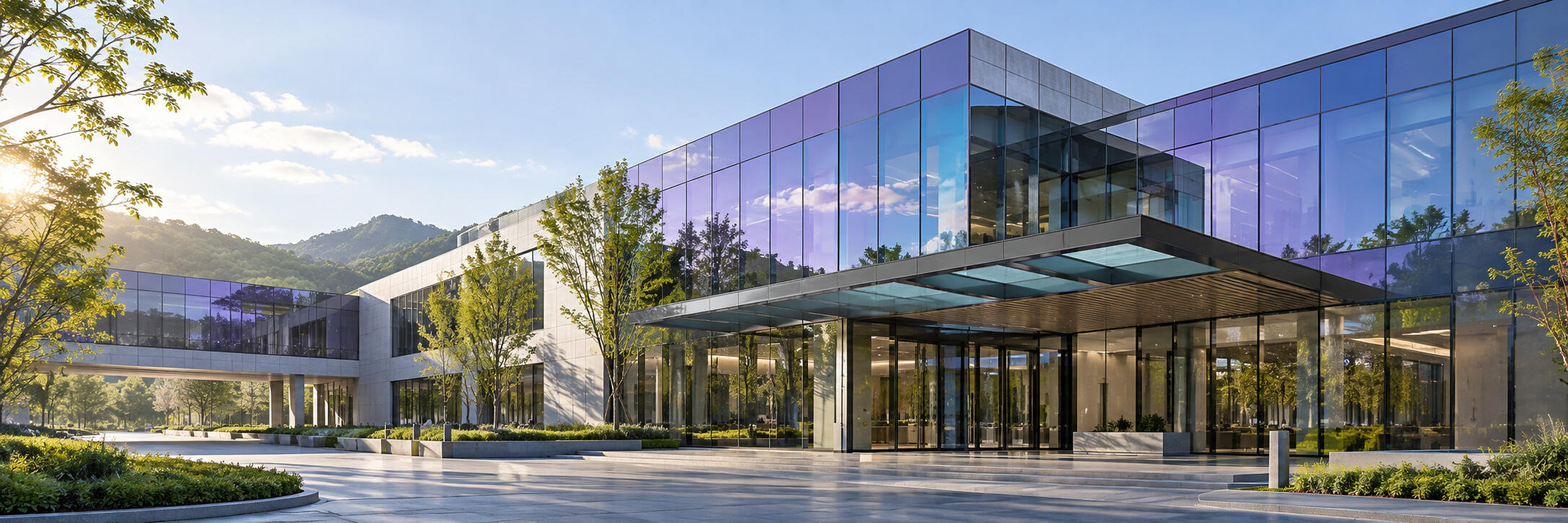
GOOPV architectural light-effect glass integrates daylighting, thermal insulation and power generation. It has been applied to the facade curtain wall of the Energy Center at ITRI’s Tainan Shalun Campus. Actual configuration must be evaluated for each site, while whole-building energy performance depends on both design and operating conditions.
Sources:Ministry of the Interior | Near-Zero-Carbon Building Progress (2026.04.09) ↗
This article summarizes policy direction and SHAN-CING’s application perspective. Requirements for individual projects should be confirmed against the latest official notices.
02Improve Building Energy Performance by Reviewing the Envelope and HVAC Demand+
Research Summary · 2026.09
A discussion of building energy efficiency can begin with how heating and cooling demand is created.
International Perspective
The IEA’s Energy Efficiency 2025 report states that buildings account for about 30% of global energy demand. Improving insulation in existing buildings and raising design and HVAC efficiency in new buildings are important paths toward greater energy efficiency.
Review the Envelope and Equipment Together
Glass, walls and roofs affect how buildings absorb and transfer heat, while HVAC, lighting and operating hours also shape final energy use. Glass evaluation should consider sunlight, visible light transmission, thermal insulation and indoor-use requirements together.
Use Measurement to Establish a Basis for Improvement
Begin by organizing existing electricity-use records, HVAC schedules and environmental conditions, then compare performance before and after improvements. GOOPV can be considered when evaluating integrated architectural-glass and energy solutions; energy-saving and generation outcomes should be verified through actual design, simulation or measurement.
Sources:IEA | Energy Efficiency 2025: Buildings ↗(2025; CC BY 4.0). This summary includes SHAN-CING’s perspective on site evaluation.
03Beyond Energy Savings: Consider the Life Cycle of Building Materials+
Research Summary · 2026.09
A building’s environmental impact includes both operational energy use and carbon emissions from materials and construction.
Two Different Assessment Scopes
Operational performance covers energy used by HVAC, lighting and other systems, while embodied carbon covers materials, construction, renovation and demolition. They should be documented separately to compare improvement options clearly.
Policy Progress in Taiwan
Since July 2024, Taiwan’s Ministry of the Interior has implemented guidelines for building embodied-carbon labeling, extending building decarbonization assessment beyond operational energy.
What Information Should Be Prepared for Material Selection?
First confirm product composition, quantity, transport method, expected service life and maintenance approach, then obtain environmental data appropriate to the assessment. Power-generation and insulation functions should be documented separately from carbon-footprint or labeling assessments; certification claims require valid documentation and a defined scope.
Sources:Ministry of the Interior | Building Embodied-Carbon Labeling Guidelines ↗. This article introduces material-selection concepts; it does not claim that SHAN-CING products have received this label.
ESG Archive
The following items preserve the original 2023 records. Carbon-inventory and carbon-neutral certification information is limited to the documents and scope issued that year; no updated annual data is currently provided.
- SHAN-CING ESG and Carbon Inventory Record | 2023.04.21
- Carbon Border Adjustment Coverage | 2023 Historical Record
- ESG Coverage | 2023 Historical Record
Historical policy coverage is preserved in its original context. Please consult the latest notices from the relevant authorities for current requirements.
